
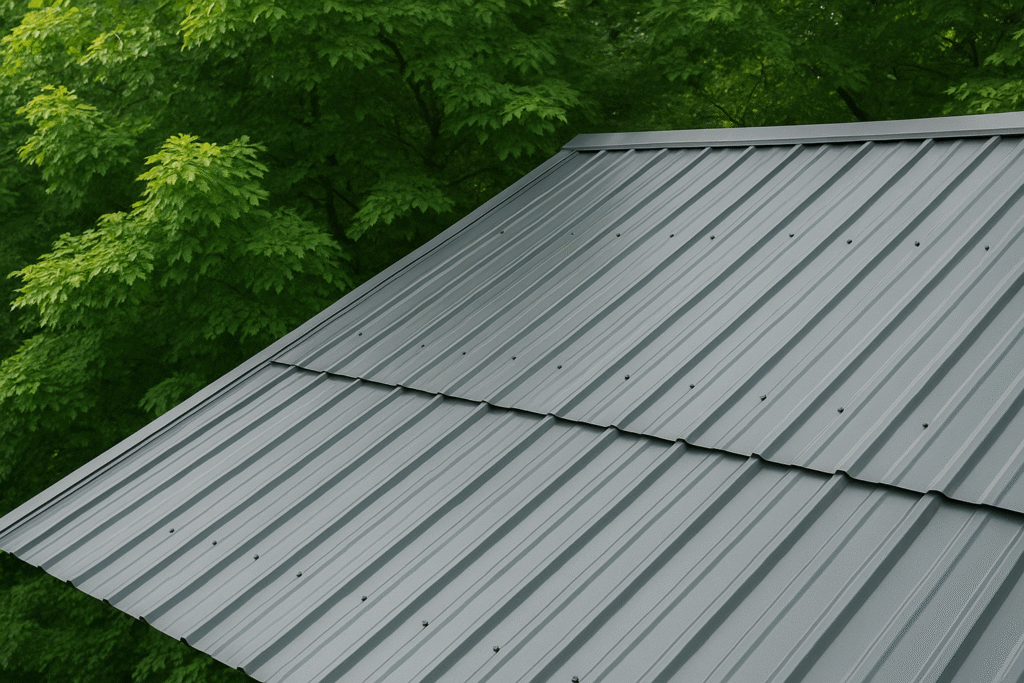
Metal Roofing for High-Wind Zones: What Homeowners Need to Know
Living in the Northern Rivers region, homeowners know that wild weather isn’t uncommon. From summer storms to sudden wind gusts, your roof endures some of nature’s harshest conditions. If you live in a high-wind zone, your choice of roofing material can mean the difference between lasting protection and costly damage.
That’s why metal roofing has become the preferred choice for homeowners in wind-prone areas like Alstonville, Ballina, Bangalow, Casino, Goonellabah, and Lismore. In this article, we’ll explore why metal roofs perform so well in high-wind zones, what you should look for in a quality installation, and how to keep your roof strong for years to come.
Understanding High-Wind Zones
High-wind zones are regions where wind speeds frequently exceed 100 km/h, especially during storms or cyclones. These winds can lift, twist, or rip away poorly secured roofing materials. For homeowners, this means higher maintenance costs and potential water damage if the roof is compromised.
In Northern Rivers and surrounding coastal areas, the combination of strong winds, heavy rainfall, and humidity makes roof durability a critical factor in home protection.
Why Metal Roofing Excels in High-Wind Conditions
1. Exceptional Wind Resistance
Metal roofs are engineered to withstand extreme weather. Properly installed, high-quality metal roofing can resist uplift pressures that tear off other materials like asphalt shingles or clay tiles.
Many modern metal roofing systems are rated for winds up to 200–250 km/h, depending on the product and installation method — making them ideal for storm-prone regions of NSW.
2. Strong Interlocking Panels
Unlike traditional roofing materials, metal panels interlock securely, creating a continuous, watertight barrier. This interlocking design helps prevent wind from getting underneath the panels, which is a common cause of roof lifting and failure.
Colorbond® steel roofing, for example, features concealed fasteners and strong overlaps that enhance performance under wind load.
3. Lightweight but Durable
It might surprise some homeowners, but metal roofs are both lightweight and extremely strong. Their low weight reduces structural stress on your home while maintaining exceptional resistance against uplift forces.
This is especially beneficial in older homes where structural support may not be designed for heavy tile or concrete roofs.
4. Minimal Water Penetration
High winds are often accompanied by driving rain. Metal roofs with proper flashing, fasteners, and sealants provide an excellent defense against water ingress. Their smooth surfaces also allow rain to drain quickly, preventing pooling and leaks.
5. Longevity and Low Maintenance
When maintained correctly, a metal roof can last 40–70 years — far longer than many other roofing options. Its resistance to cracking, warping, and corrosion ensures it continues performing well even after years of exposure to wind and salt air.
Key Installation Factors for Wind-Resistant Metal Roofing
Even the best materials can fail if not installed correctly. Here are some essential aspects to consider when installing a metal roof in a high-wind area:
1. Proper Fastening and Spacing
Fasteners must be of the correct type, spacing, and alignment to secure panels against uplift forces. Using cyclone-rated screws and seal washers helps prevent loosening under wind stress.
2. Secure Roof Flashing
Flashing is one of the most vulnerable areas during strong winds. Proper sealing and installation around edges, ridges, and roof penetrations prevent water entry and panel displacement.
3. Edge Detailing and Eaves
Wind pressure is strongest around the edges of a roof. Reinforcing these areas with additional fasteners or upgraded materials greatly enhances overall wind performance.
4. Licensed, Experienced Installers
Your roof’s durability depends as much on who installs it as on what it’s made of. Always work with qualified professionals like Hinterland Metal Roofing, who understand local weather conditions and adhere to Australian Building Standards (AS 4055 for Wind Loads).
Maintenance Tips for Metal Roofs in Windy Areas
Regular maintenance is key to ensuring long-term performance in high-wind conditions. Here are a few steps homeowners can take:
- Inspect after storms: Check for loose fasteners, bent panels, or debris buildup.
- Clean gutters and valleys: Prevent blockages that can lead to water pooling.
- Check sealants and flashing: Ensure they remain intact and watertight.
- Remove overhanging branches: These can scratch or puncture the roof during high winds.
- Schedule annual inspections: A professional roofer can spot potential problems early and fix them before they become serious.
Why Metal Roofing Is the Smart Choice for Northern Rivers
For homeowners in the Northern Rivers, metal roofing offers unmatched reliability and protection. It’s designed for coastal climates, where strong winds and salty air can quickly wear down inferior materials.
By choosing Colorbond® steel or Zincalume® metal roofing, you’re investing in a roof that resists corrosion, reflects heat, and stands up to Australia’s toughest weather.
Plus, modern metal roofs come in a variety of colours and profiles — allowing you to maintain both strength and style for your home.
Final Thoughts
When it comes to protecting your home from harsh weather, metal roofing stands out as the most reliable and durable option. Designed to resist high winds, heavy rain, and coastal conditions, it provides long-term peace of mind and exceptional value.
If you’re considering a roof replacement or want to ensure your existing roof is storm-ready, get in touch with the experts at Hinterland Metal Roofing today.
Your home deserves the best protection — and that starts from the top down.
📍🧭 Service Areas
We proudly serve:
Alstonville, Ballina, Bangalow, Casino, Goonellabah, Lismore, and the entire Northern Rivers region.